- project
- Vitasnella Projection
- client
- Vitasnella
- role
- Technical Director
- year
- 2015
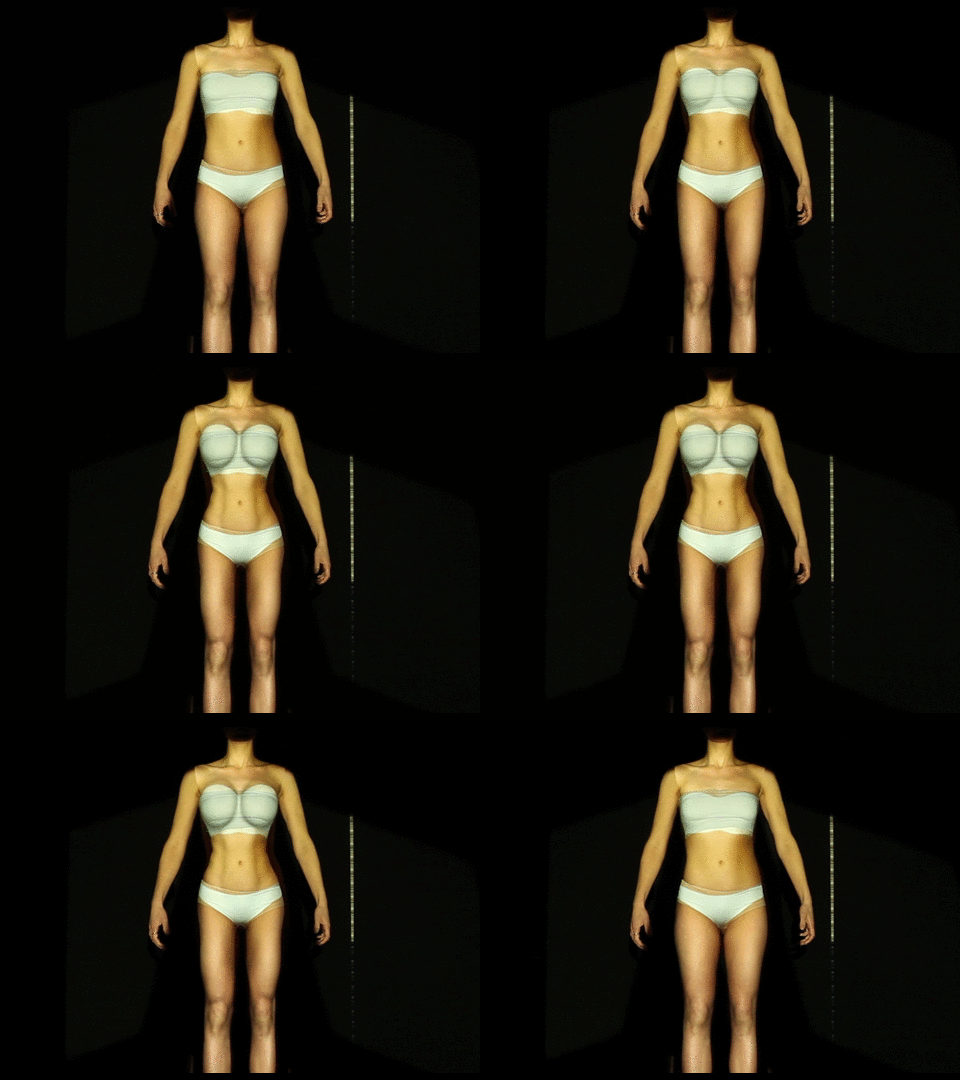
For Vitasnella, Saatchi&Saatchi Milan and UNIT9 built a full-body projection-mapping system. A prepared CG body deformed in real time and was projected onto the live subject. Projector light made face-based tracking unreliable, so the final system used an iPod head rig and the output chain Unity → Syphon → MadMapper → projector.
Body preparation
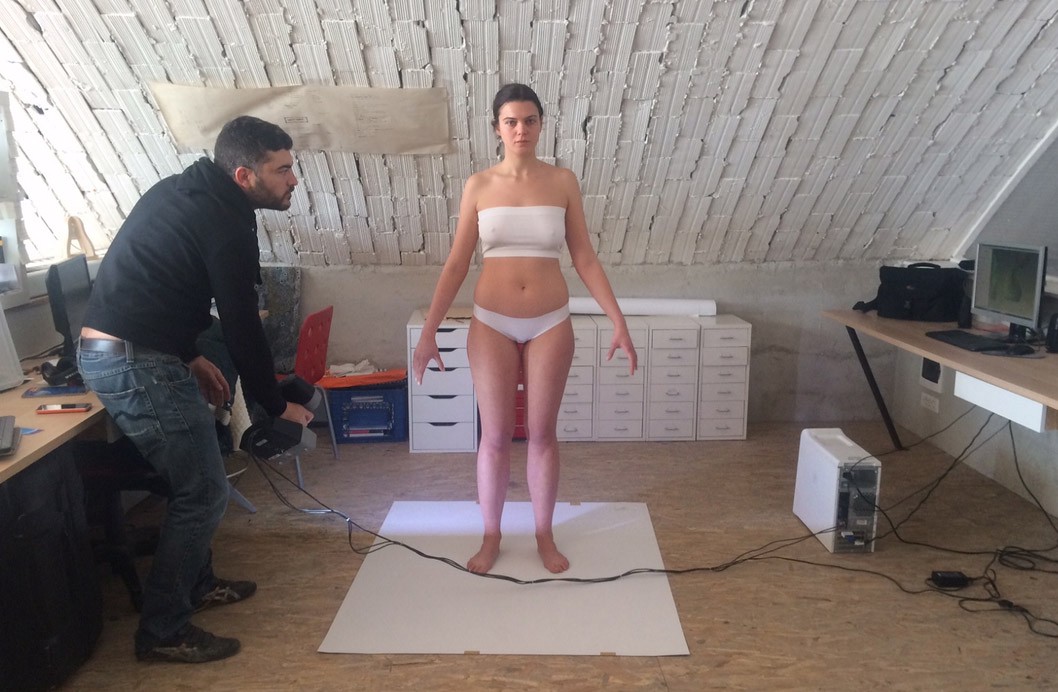
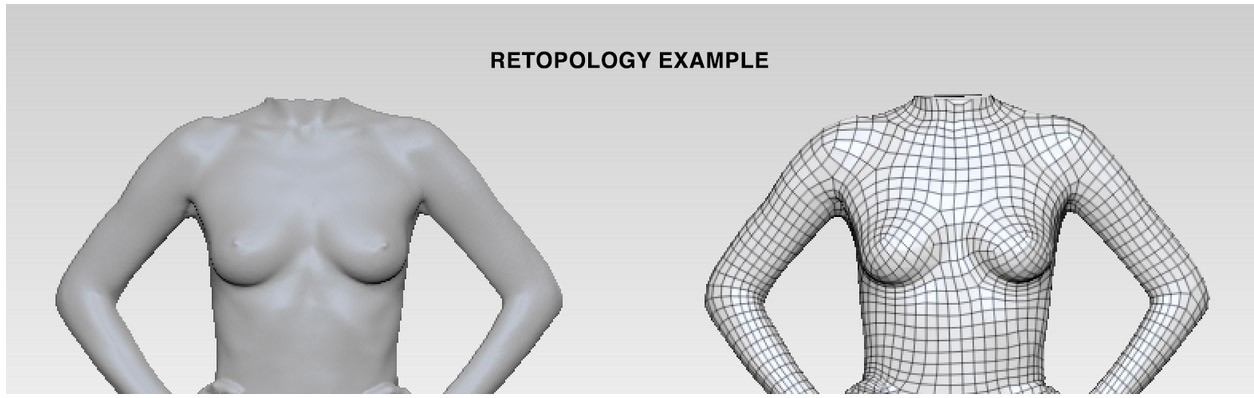
An Artec MHT 3D scanner captured the model. The scan was cleaned, retopologized, unwrapped and divided into an animation-ready head/body structure. A hand-painted texture from photographic reference and Unity face/body blend shapes supported the live setup.
Tracking under projector light
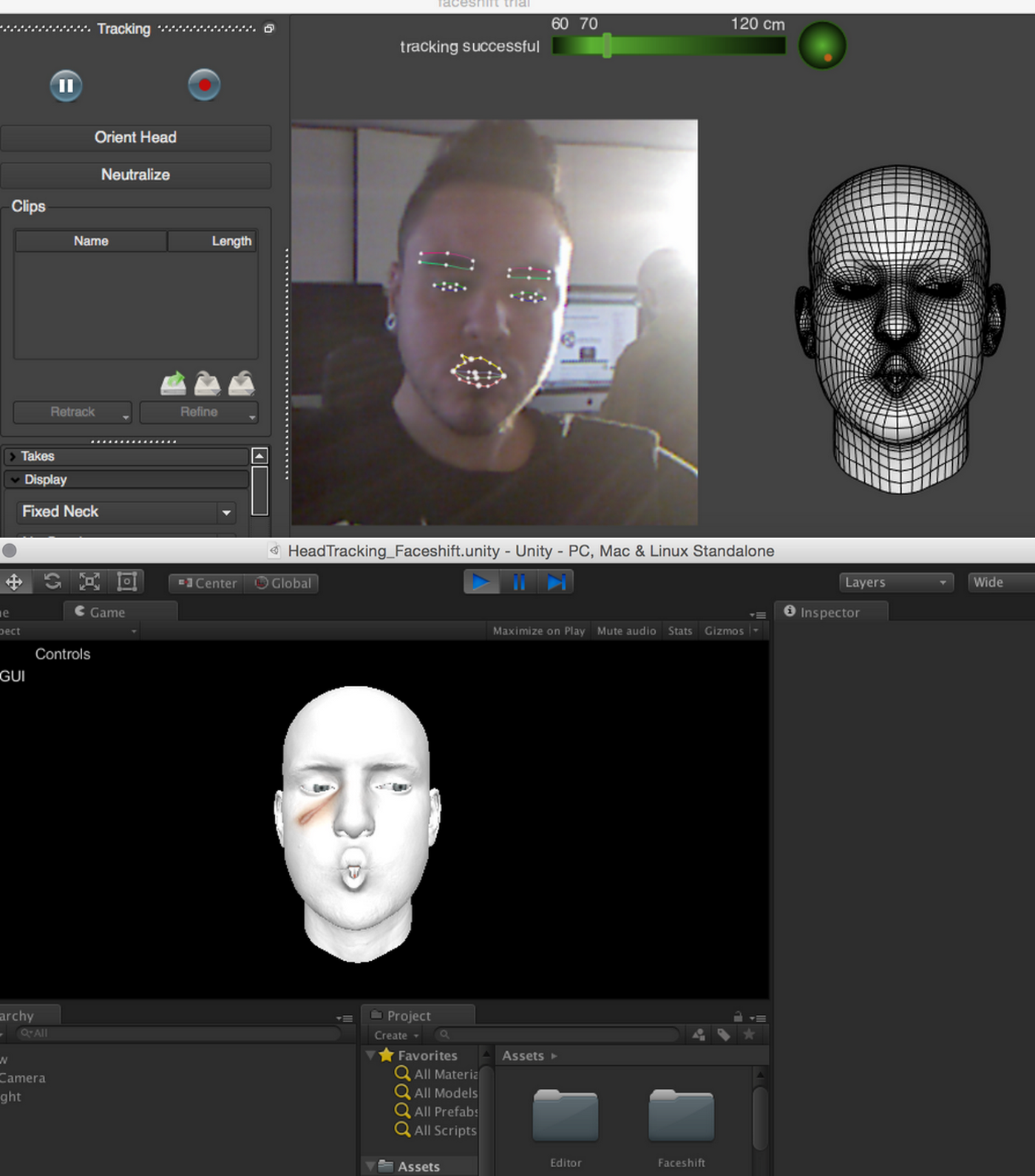
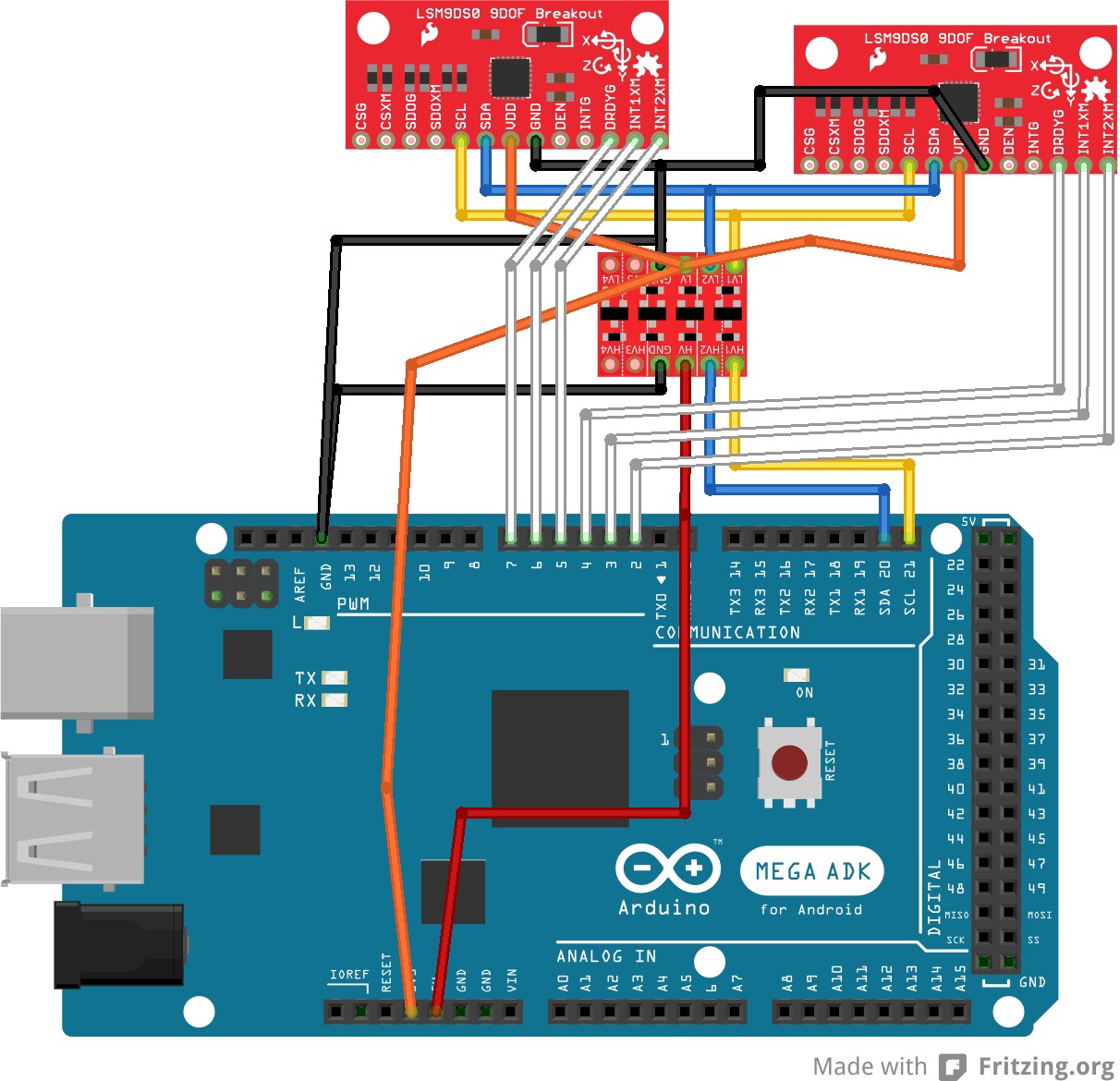
Marker-based tracking did not fit the shot, cost or schedule. Kinect + Faceshift was tested, but projection light destabilized face detection. An Arduino Mega ADK with dual 9-axis IMUs avoided visible markers, yet its raw orientation data was not stable enough for on-set control. The selected path mounted an 88-gram iPod 5th generation on the head and streamed its processed sensor values to Unity.
On-set output
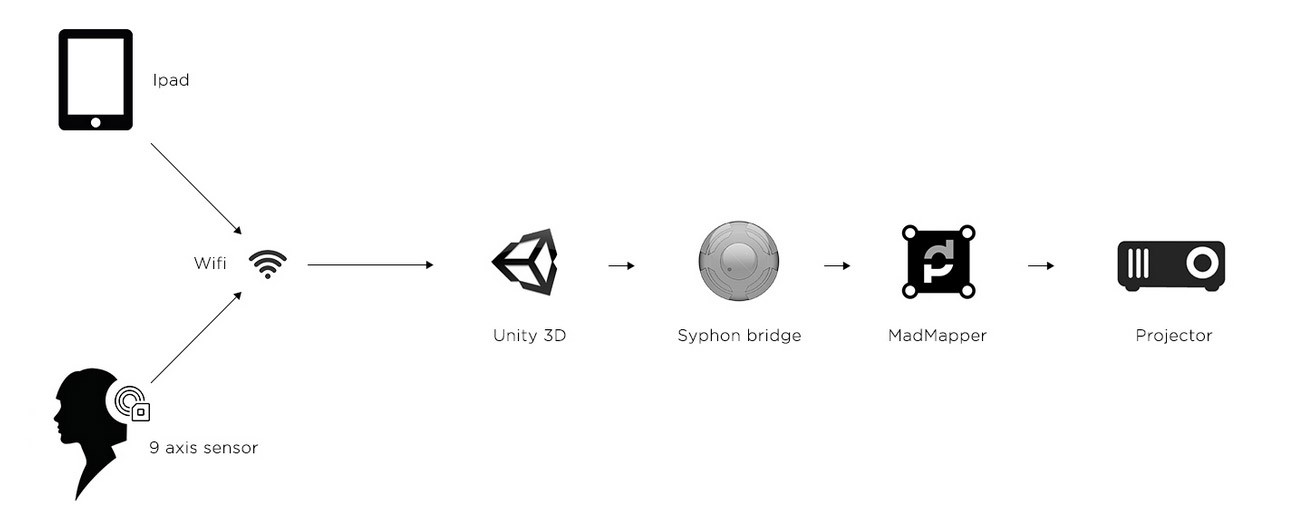
An earlier setup used two machines connected over TCP, adding latency across capture, detection, rendering, transport and mapping. The final setup kept rendering and mapping on one machine. An iPad controlled blend shapes over Wi-Fi; the iPod supplied orientation; Unity rendered the body; Syphon passed frames to MadMapper for warp and projector alignment.
Vitasnella · sensing and projection chain
The bright projector needed for the visual effect made face-based vision tracking unreliable. The team changed sensing strategy for the shot conditions.
- 01Projected subject Marker approach
makes markers visible
- 02Projected subject Kinect + Faceshift
projector light
- 03Projected subject Arduino + IMU
needs stable signal
- 04Kinect + Faceshift iPod head rig
change strategy
- 05Arduino + IMU iPod head rig
replace raw signal
- 06iPod head rig Unity rig
sensor values
Projected subject · Bright face and body output
The subject must receive a calibrated, bright projection while staying aligned to the CG body.
Marker approach · Visible face markers
A marker-based option would have made the shot and schedule impractical.
Kinect + Faceshift · Vision tracking test
Projected light destabilized face detection: the system read the projection instead of a dependable face signal.
Arduino + IMU · Raw orientation signal
The hardware rig avoided visible markers, but its raw sensor signal was not reliable enough for the shot.
iPod head rig · Processed device sensors
The compact iPod supplied a usable processed sensor signal and could be mounted on the head for the required movement.
Unity rig · Live head transform
Unity receives the selected control signal and applies it to the prepared CG head/body rig.
Choose a sensing method suited to the shot. The iPod sensor path followed tests of visible markers, projector-affected vision tracking and raw Arduino IMU data.
Build log
v0 Prepare the body
CG and physical preparationProjection mapping required a repeatable relationship between digital body and physical position.
+ shipped
- Artec MHT scan in a controlled half T-pose
- cleaned, retopologized and unwrapped animation-ready mesh
- hand-painted texture from photographic reference
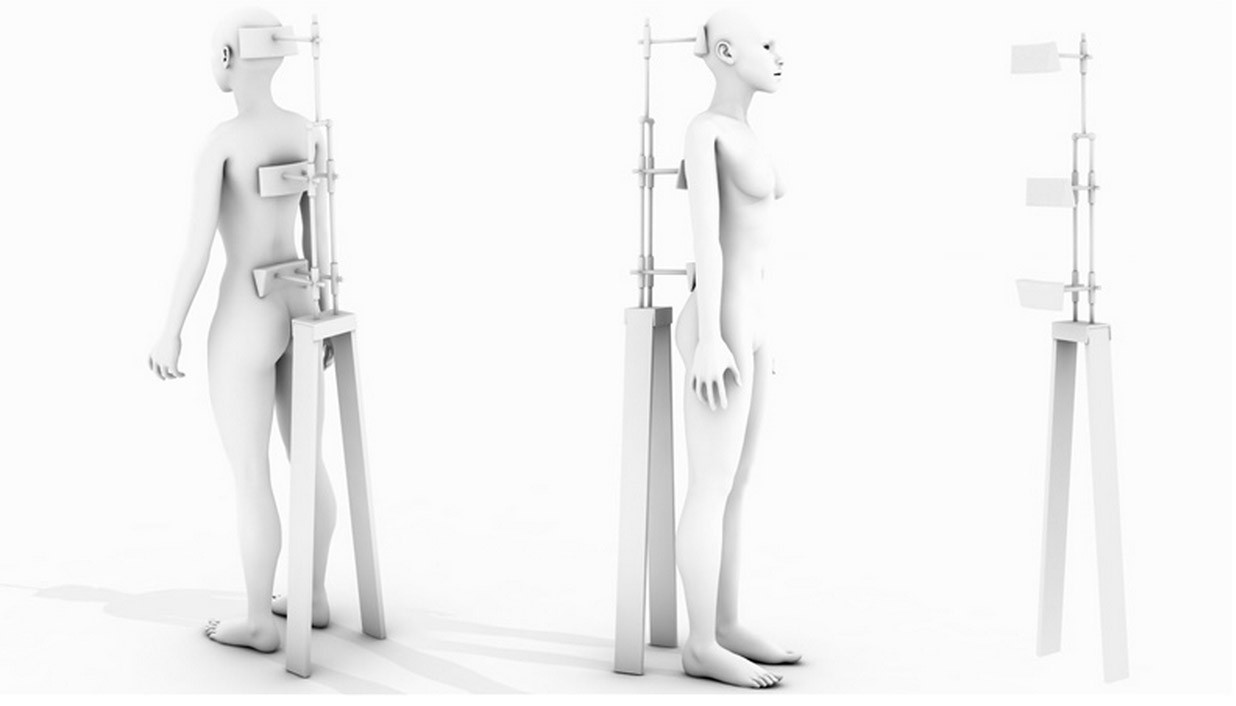
- custom brace and removable head-rig mount
→ what it exposed
Capture required topology, texture control and physical repeatability before live use.
↑ what it unlocked
The rig carried face and body blend shapes while the brace held camera alignment.
traceArtec scancapture body volumemesh prepmake the body animatablebracehold camera alignmentUnityrender deformationv1 Change sensing under projection
tracking iterationProjector light undermined face tracking.
+ shipped
- marker-based approach assessed and rejected for shot, cost and schedule constraints
- Kinect + Faceshift tests under projection light
- Arduino Mega ADK + dual 9-axis IMU experiments
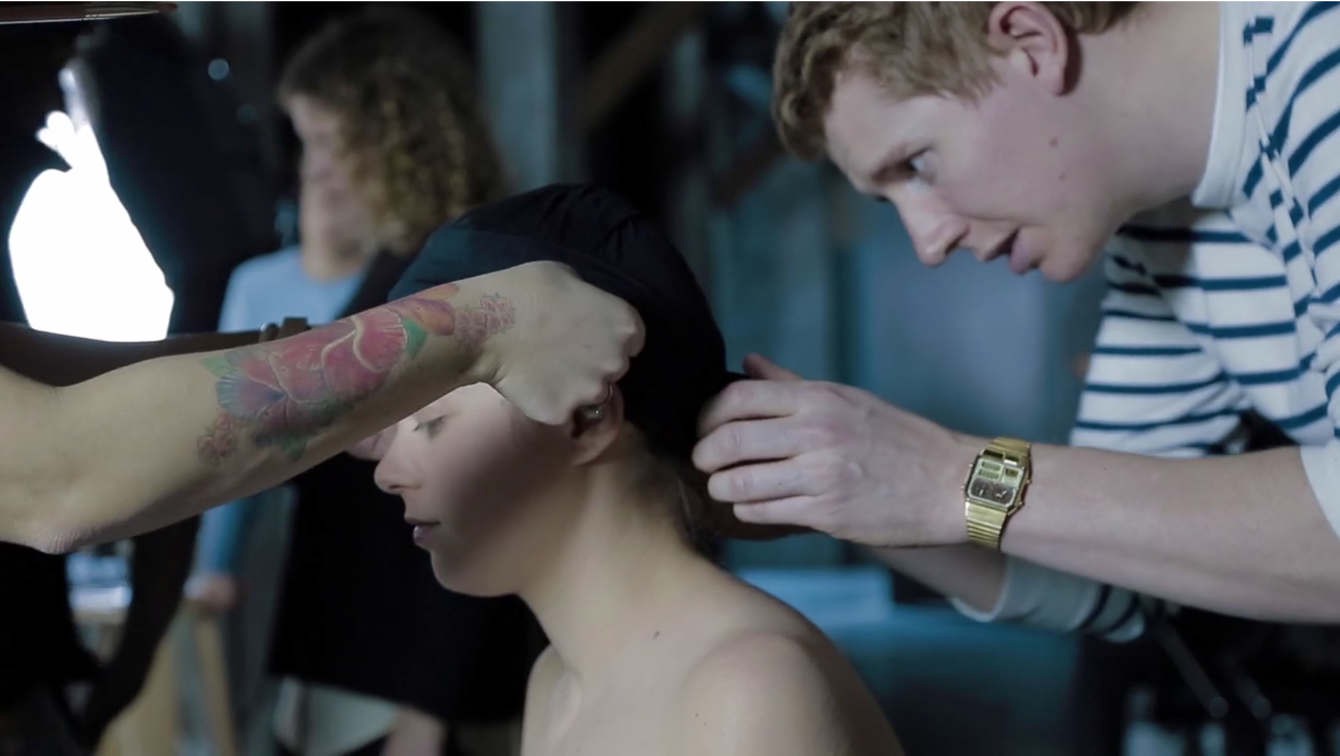
- iPod 5th-generation head rig using processed device sensors
→ what it exposed
Projection changed the camera signal used for face tracking.
↑ what it unlocked
The iPod supplied practical orientation data without visible face markers.
traceprojectorlight reaches the faceKinect + Faceshiftlose dependable face signalArduino IMUexpose raw signal limitsiPod rigsupply processed orientationv2 Keep output local
final live chainArt direction and projector alignment needed live adjustment without an extra rendering-to-mapping hop.
+ shipped
- iPad blend-shape control over Wi-Fi
- Unity real-time CG deformation
- Syphon frame handoff on the same machine
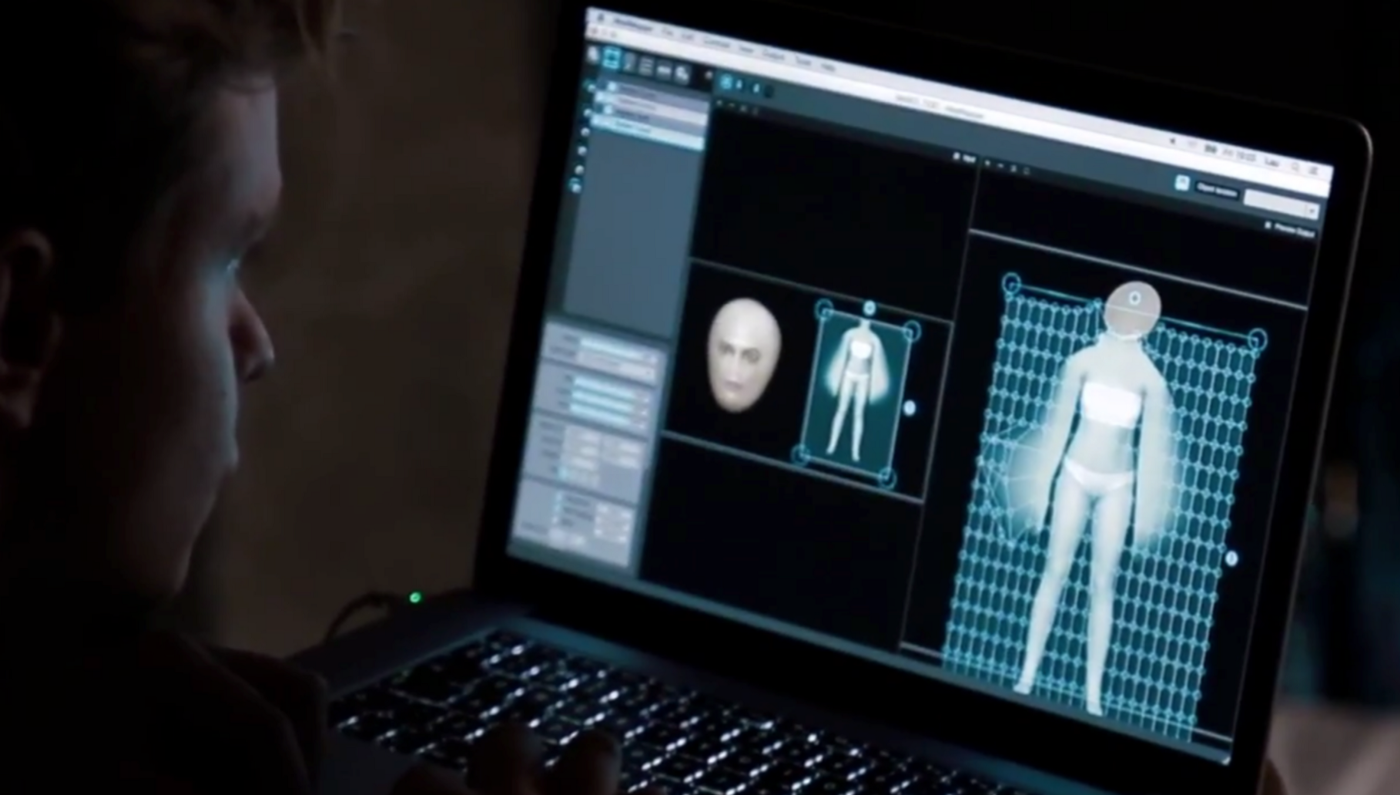
- MadMapper warp and projector alignment
→ what it exposed
Unity rendered the image; MadMapper aligned it to the subject.
↑ what it unlocked
The final chain supported adjustment through Unity → Syphon → MadMapper → projector.
traceiPad + iPodcontrol and orientation inputUnityrender live CG rigSyphonhand off local frameMadMapperwarp to subject
Credits and rights
This case documents the credited technical collaboration: Saatchi&Saatchi Milan, Vitasnella, UNIT9, Francesco Bernabei, Marc D'Souza, Nick&Gabs, JP, Martin Jowers, David Hartono, Andrew Oaten, Christian Bianchini, Mateusz Marchwicki, Karol Góreczny and Sophie Langohr; Silvio Paganini was Technical Director. Brand, campaign, film, model, artwork and associated rights remain with their respective owners.